Primary 3 Science introduces students to more structured scientific learning, where they begin to explore concepts in greater depth and explain how things work. Topics include life cycles, the human body, matter, forces, and simple systems in the environment.
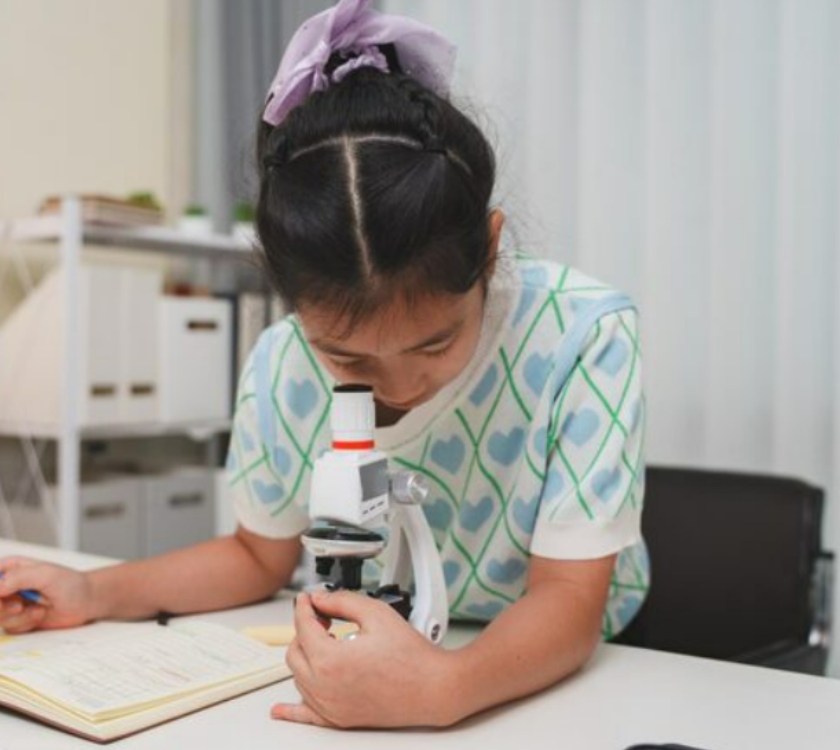
Students are encouraged to observe carefully, ask questions, and make simple explanations based on their observations. They also learn to interpret basic diagrams, experiments, and data, helping them develop stronger scientific thinking skills.
Why Enroll in Primary 3 Science Tuition?
Primary 3 Science introduces more structured concepts and requires students to apply their understanding through observation and explanation. At GLLC, we break down these topics into simple, easy-to-understand steps and guide students in developing clear answering techniques to handle different question types with confidence.
Our tuition program is designed to:
Simplify complex concepts through engaging and structured lessons
Build strong answering techniques with guided practice
Strengthen understanding through real-life examples and application
Our Teaching Approach
We use the ACE Methodology — Assessment, Customization, and Execution — to help students achieve excellence in Primary 3 Science.
Content Mastery
Our approach emphasizes understanding the logic behind every formula and concept, highlighting their real-world applications. This enables students to apply mathematical reasoning rather than relying on rote memorization.
Answering Techniques
Many students find Primary 3 Science challenging because they struggle with analyzing questions clearly. We help them to:
Break down questions to identify key ideas
Interpret diagrams, tables, and simple experiments
Apply the correct scientific concepts in their answers
Use clear and complete explanations
What Students Will Achieve
A Curious and Inquisitive Mindset
Develop a stronger interest in exploring how things work and asking meaningful scientific questions.
Stronger Understanding of Core Concepts
Build a solid foundation in topics such as plant and animal systems, life cycles, matter, and basic forces.
Enhanced Scientific Thinking Skills
Learn to observe, compare, classify, and interpret simple data while applying concepts to everyday situations.
Improved Answering Techniques & Confidence
Understand how to approach open-ended questions and express answers clearly using appropriate scientific terms.